How to Find Your Personal Style After 40 (and Actually Love Getting Dressed Again)
This post contains affiliate links. I may earn a commission from qualifying purchases at no extra cost to you.
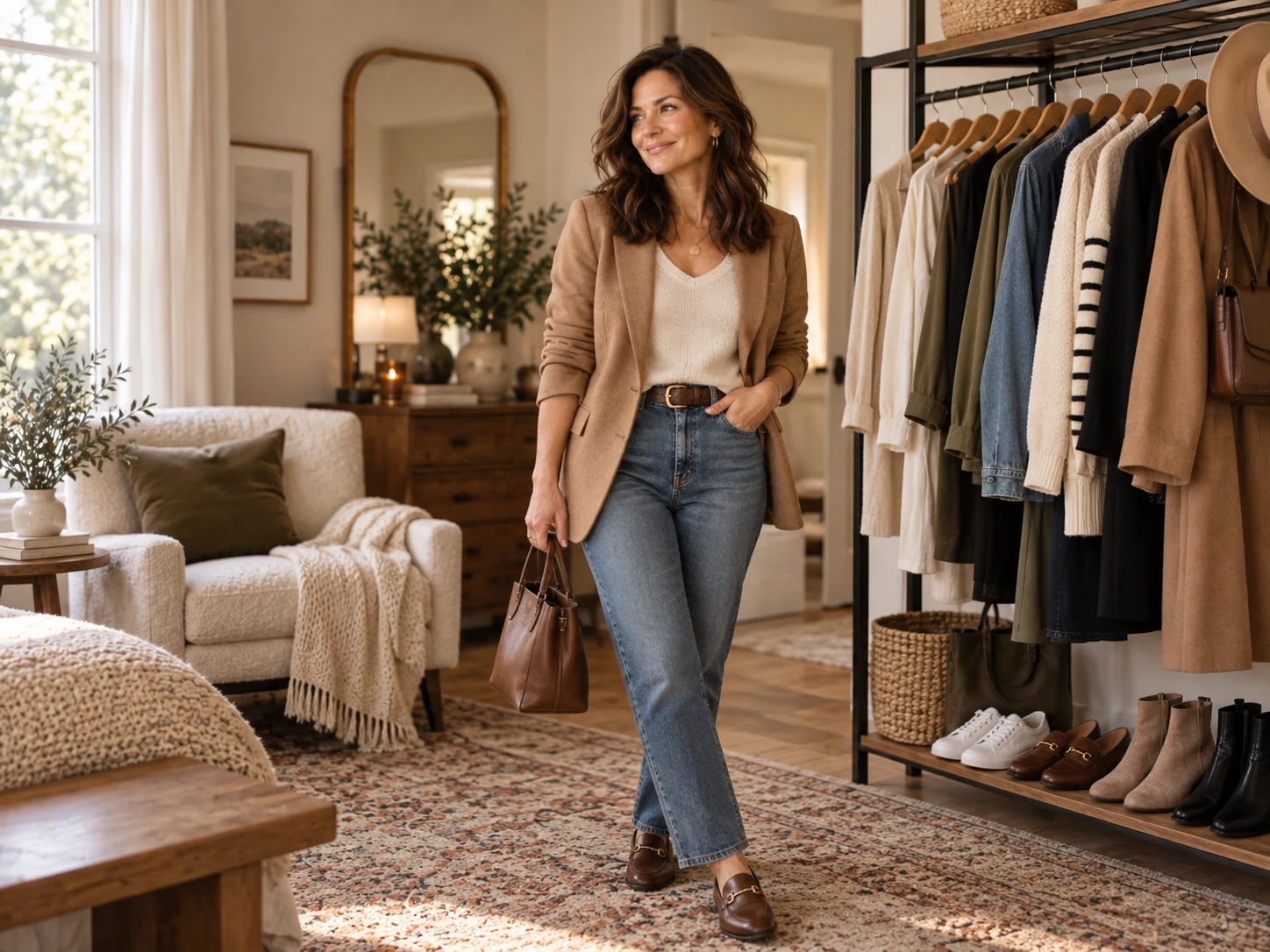
There’s something that seems to happen somewhere around our 40s.
You open your closet, stare at everything hanging there and think:
I have clothes. So why do I feel like I have nothing to wear?
Maybe the pieces you loved ten years ago don't feel quite right anymore. Your body may have changed. Your job may have changed. Your weekends look different. Maybe you're traveling more, working from home, spending more time outdoors or simply realizing that you want to be comfortable without feeling like you've given up on looking put together.
And then there’s the bigger question:
What is my style now?
Finding your personal style after 40 isn't about learning a new set of fashion rules. And it definitely isn't about deciding what you're supposedly "too old" to wear.
It's about getting to know yourself again.
Your lifestyle. Your body. Your preferences. And the clothes that make you feel the most like you.
Here’s where I would start.
1. Dress for the Life You Actually Live
One of the easiest ways to end up with a closet full of clothes you never wear is to shop for your fantasy life instead of your real one.
I know how easy this is.
You see a beautiful outfit online and immediately imagine yourself wearing it. But before you click add to cart, ask yourself:
Where am I actually wearing this?
Look at how you spend an average week.
Are you working in an office?
Working from home?
Running errands?
Going out to dinner?
Traveling?
Spending weekends outside?
Going to church?
Meeting friends for coffee?
Your wardrobe should support the life you're living most often.
If 70% of your life is casual, then roughly 70% of your wardrobe should probably work for your casual life.
That doesn't mean everything has to be leggings and sweatshirts. It simply means finding polished versions of the clothes that fit your routine.
Think:
Straight-leg jeans with a great sweater.
A casual blazer over a simple tee.
Comfortable trousers with sneakers.
A button-down with denim.
A knit dress with boots.
The goal isn't to dress up more.
It's to make your everyday clothes feel more intentional.
2. Pay Attention to the Clothes You Already Love
Before buying anything new, look inside your own closet.
Which pieces do you reach for again and again?
Those clothes are trying to tell you something.
Maybe you consistently choose:
- Straight-leg jeans instead of skinny jeans.
- Neutral sweaters instead of bright prints.
- Loafers instead of heels.
- Structured jackets instead of cardigans.
- Simple gold jewelry instead of statement pieces.
- Earthy colors instead of pastels.
Those patterns are your personal style beginning to reveal itself.
Take five outfits that make you feel especially good and look for similarities.
Ask yourself:
What do these outfits have in common?
Maybe they all have structure.
Maybe they're relaxed.
Maybe they're mostly neutral.
Maybe you always like one slightly elevated piece mixed with something casual.
Don't underestimate this exercise. Your favorite outfits are often a much better guide to your personal style than whatever happens to be trending online.
3. Choose Three Words to Describe Your Style
This is one of my favorite ways to narrow down personal style.
Choose three words that describe how you want your wardrobe to feel.
For example:
Classic. Casual. Feminine.
Or:
Relaxed. Polished. Natural.
Maybe yours are:
Modern. Simple. Comfortable.
Or:
Romantic. Soft. Effortless.
There is no correct answer.
Your three words simply become a filter when you're shopping.
Imagine you're considering a trendy top covered in ruffles, but your three style words are:
Classic. Relaxed. Minimal.
Suddenly it's much easier to decide that the top probably isn't going to become one of your favorite pieces.
On the other hand, a beautiful camel blazer might fit your three words perfectly.
This little test can save you from a lot of impulse purchases.
4. Stop Dressing for the Body You Used to Have
This one can be difficult.
Our bodies change.
Weight changes. Hormones change. Proportions change. What felt flattering at 32 might not feel the same at 48 or 55.
That's completely normal.
But sometimes we keep buying clothes based on an older version of ourselves.
Or worse, we keep clothes in our closets because we hope we'll eventually feel comfortable in them again.
Instead, focus on dressing the body you have today.
Pay attention to proportion rather than size.
Try different rises in jeans.
Experiment with cropped versus longer jackets.
Try tucked, half-tucked and untucked tops.
Compare straight-leg, bootcut and wide-leg pants.
Notice where sleeves hit your arms and where jackets hit your hips.
A surprisingly small adjustment in proportion can completely change how an outfit looks.
And ignore the number on the tag.
Sizing varies wildly between brands anyway.
If the larger size hangs beautifully and makes you feel fantastic, that's the right size.
5. Create Your Own Outfit Formula
Women who always seem effortlessly stylish usually aren't reinventing their wardrobe every morning.
They have formulas.
An outfit formula is simply a combination you know works.
For example:
Straight-leg jeans + fitted tee + blazer + loafers
Or:
Wide-leg pants + simple knit + sneakers + structured handbag
Or:
Jeans + button-down + ankle boots + gold jewelry
Once you discover two or three combinations that make you feel good, repeat them.
Change the colors.
Change the jacket.
Change the shoes.
Change the accessories.
But keep the basic structure.
There is absolutely nothing wrong with becoming an outfit repeater.
In fact, I think knowing what works is one of the best things about getting older.
6. Build Around Great Basics — Then Add Personality
Basics make getting dressed easier.
But personal style comes from what you add to them.
A wardrobe might start with pieces like:
- Good-fitting jeans
- Neutral tees
- Button-down shirts
- A classic blazer
- Comfortable trousers
- A few quality sweaters
- A versatile jacket
- Everyday sneakers
- Loafers or ankle boots
Then comes the fun part.
Maybe your personality shows up through:
A beautiful scarf.
A great leather bag.
Western-inspired boots.
A vintage-style jacket.
Gold jewelry.
A leopard belt.
A bold pair of glasses.
Personal style usually isn't about wearing something dramatic from head to toe.
Sometimes it's one small detail that makes an outfit feel unmistakably yours.
7. Save Inspiration — But Don't Copy It Exactly
Pinterest and Instagram can be incredibly helpful when you're trying to figure out your style.
Create a board and start saving outfits you genuinely love.
Don't overthink it at first.
Just save.
After you have 30 or 40 images, look at them together.
You'll probably start noticing patterns.
Maybe almost every outfit has jeans.
Maybe you're drawn to warm neutrals.
Maybe you love blazers.
Maybe you keep saving casual outfits with sneakers.
Maybe your boards are filled with camel, olive, cream, denim and chocolate brown.
Those patterns matter.
But remember: inspiration isn't an instruction manual.
You don't need to recreate every outfit exactly.
Instead ask:
What do I like about this look?
Is it the color combination?
The silhouette?
The layering?
The shoes?
The relaxed feeling?
Take the part you love and make it work for your own wardrobe.
8. Give Yourself Permission to Let Go of Old Style Rules
Somewhere along the way, women start hearing a lot of rules.
Women over 40 shouldn't wear this.
Women over 50 shouldn't wear that.
This hemline is too short.
That trend is too young.
You should cover your arms.
You shouldn't wear distressed denim.
You can't wear sneakers with that.
I think most of those rules can go straight out the window.
The better question is:
Do I feel good in this?
You can absolutely wear trends after 40.
The difference may simply be how you incorporate them.
Instead of rebuilding your entire wardrobe around every new trend, choose the ones that naturally fit your existing style.
Chocolate brown is everywhere this season?
Try a brown sweater or handbag.
Wide-leg jeans are having a moment?
Try them with the same sweaters and jackets you already love.
Trends should work for your wardrobe, not take it over.
9. Buy Less, But Be Pickier
I think one of the biggest style shifts that happens with age is realizing that more clothes don't necessarily make getting dressed easier.
Sometimes they make it harder.
A closet full of "almost right" pieces creates noise.
Instead of asking:
Do I like this?
Try asking:
Do I love this enough to choose it over what I already own?
That's a much higher bar.
Before buying something new, think about whether you can immediately create at least three outfits with it.
If you can't, it may be something you admire but don't actually need.
Over time, your closet becomes smaller, more useful and much more reflective of your personal style.
10. Let Your Style Keep Changing
Your personal style isn't something you discover once and then keep forever.
It changes because you change.
Your lifestyle changes.
Your confidence changes.
Your priorities change.
Your body changes.
And hopefully, you know yourself a little better with each decade.
The goal isn't to build the perfect wardrobe.
The goal is to open your closet and see clothes that feel like they belong to the woman you are now.
Not the woman you were ten years ago.
Not the woman someone on Instagram thinks you should be.
And not some imaginary future version of yourself.
You. Right now.
A Simple Personal Style Challenge
If you're not sure where to begin, try this over the next week.
For seven days, take a quick mirror photo of your outfit.
At the end of the week, look through them and ask:
Which outfit made me feel the most confident?
Which one felt the most comfortable?
Which one felt the most like me?
Then identify what those outfits have in common.
That little exercise may tell you more about your personal style than any fashion quiz ever could.
Because the best personal style isn't about following every trend.
It's knowing what works for your body, your lifestyle and the woman you've become.
And when you figure that out, getting dressed becomes a whole lot more fun.
Build Your Effortless Style Wardrobe
Start with the pieces that fit your life and work with what you already own. These six building blocks offer a few easy places to begin.
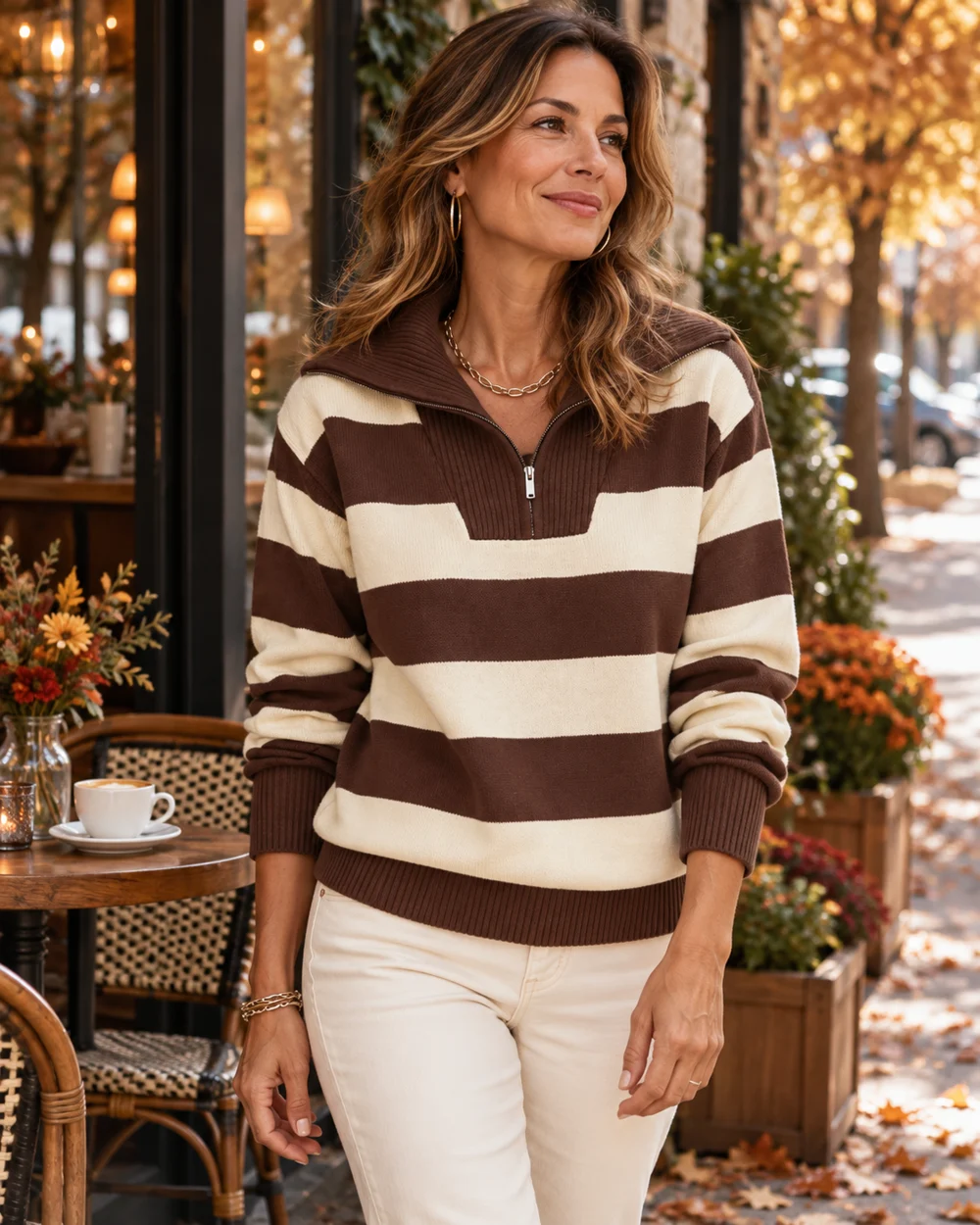
Brown Quarter Zip Sweater
An easy stripe to build around. Pair it with denim and loafers for a relaxed, pulled-together day.
Shop Brown Quarter Zip Sweater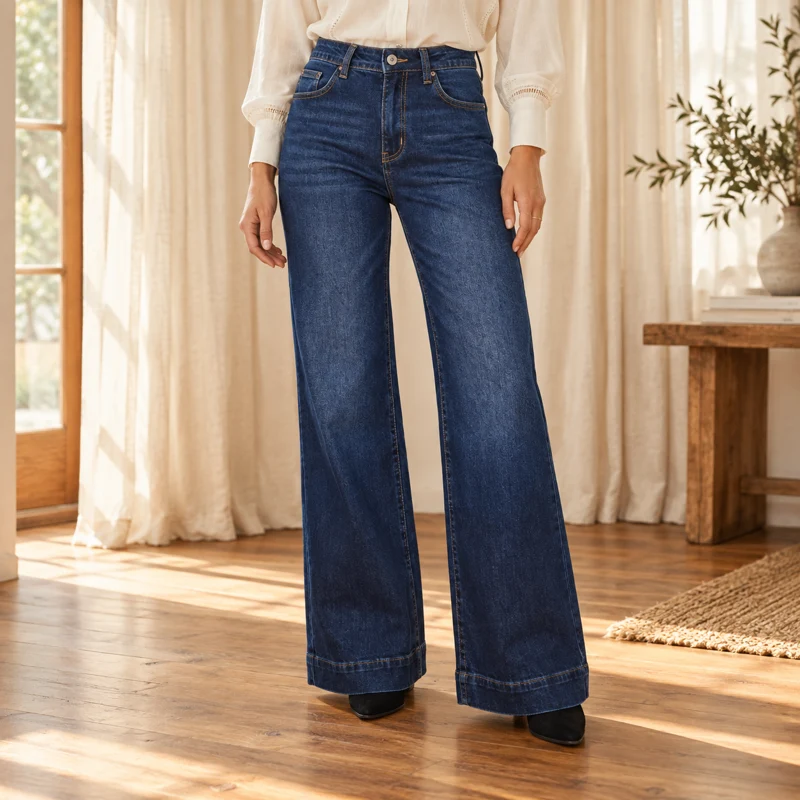
Jeans
A darker wash gives everyday denim a polished feel. Try an ivory knit and pointed-toe boots.
Shop Jeans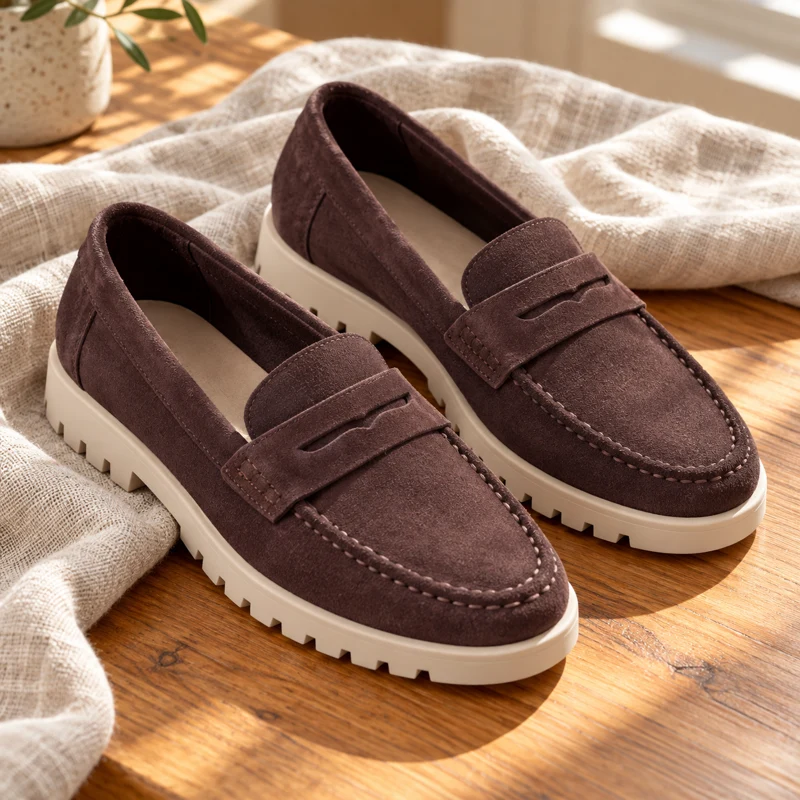
Loafers
A brown loafer brings texture to simple outfits. Wear with denim, trousers, or your favorite knit.
Shop Loafers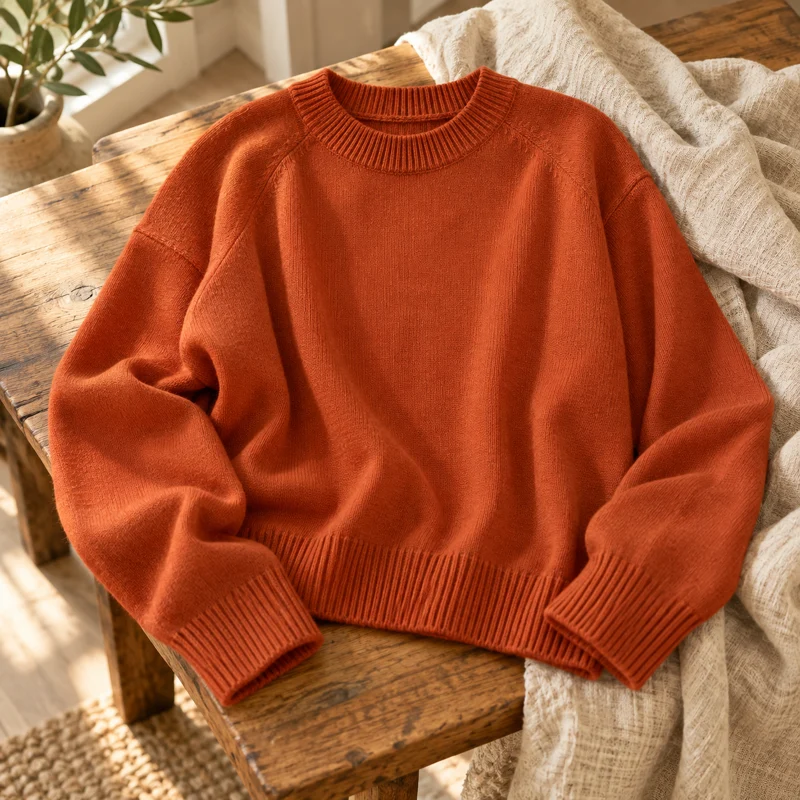
Crewneck Sweater
A warm rust shade adds personality to your basics. Let it be the color in an otherwise simple outfit.
Shop Crewneck Sweater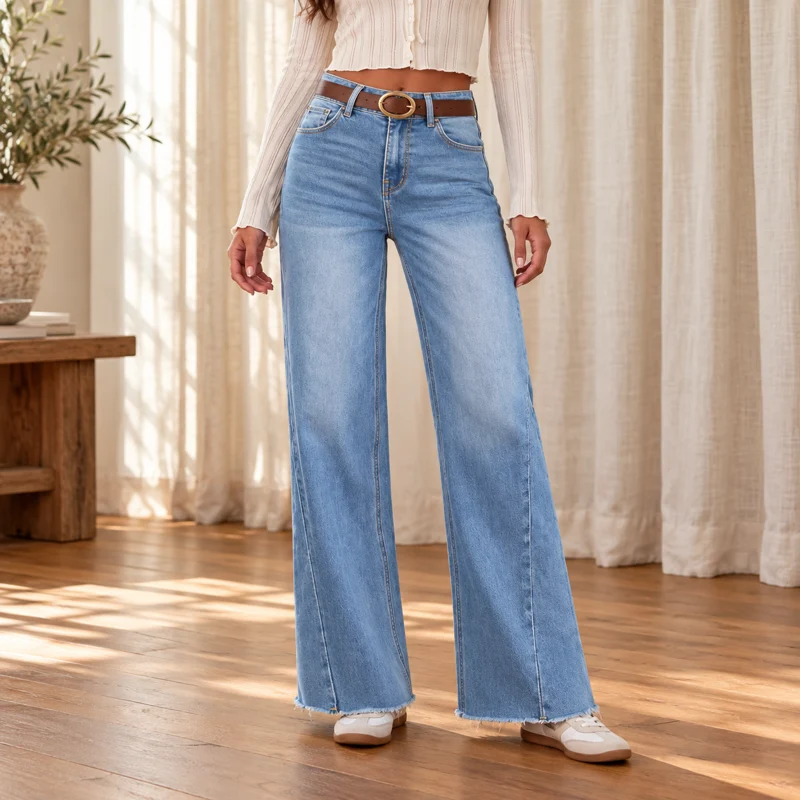
Wide Leg Jeans
Balance the wider leg with a simple knit or a lightly tucked top, then finish with sneakers or boots.
Shop Wide Leg Jeans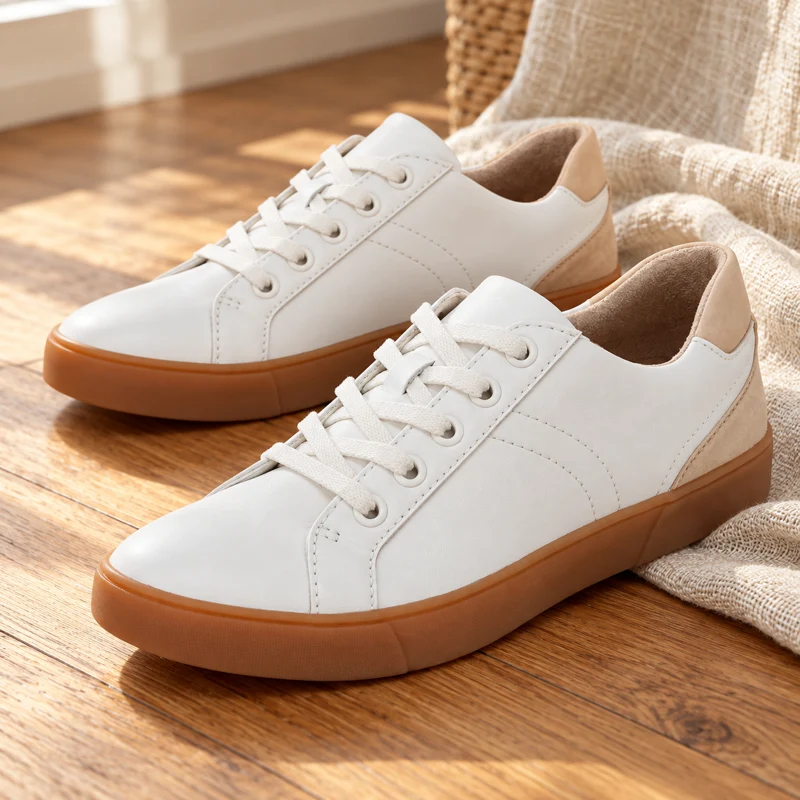
Fashion Sneaker
A clean white sneaker keeps an outfit relaxed. The warm tan details work nicely with cream, brown, and denim.
Shop Fashion SneakerProduct images are recreated styling inspiration. Check each listing for exact color, sizing, materials, and included items.
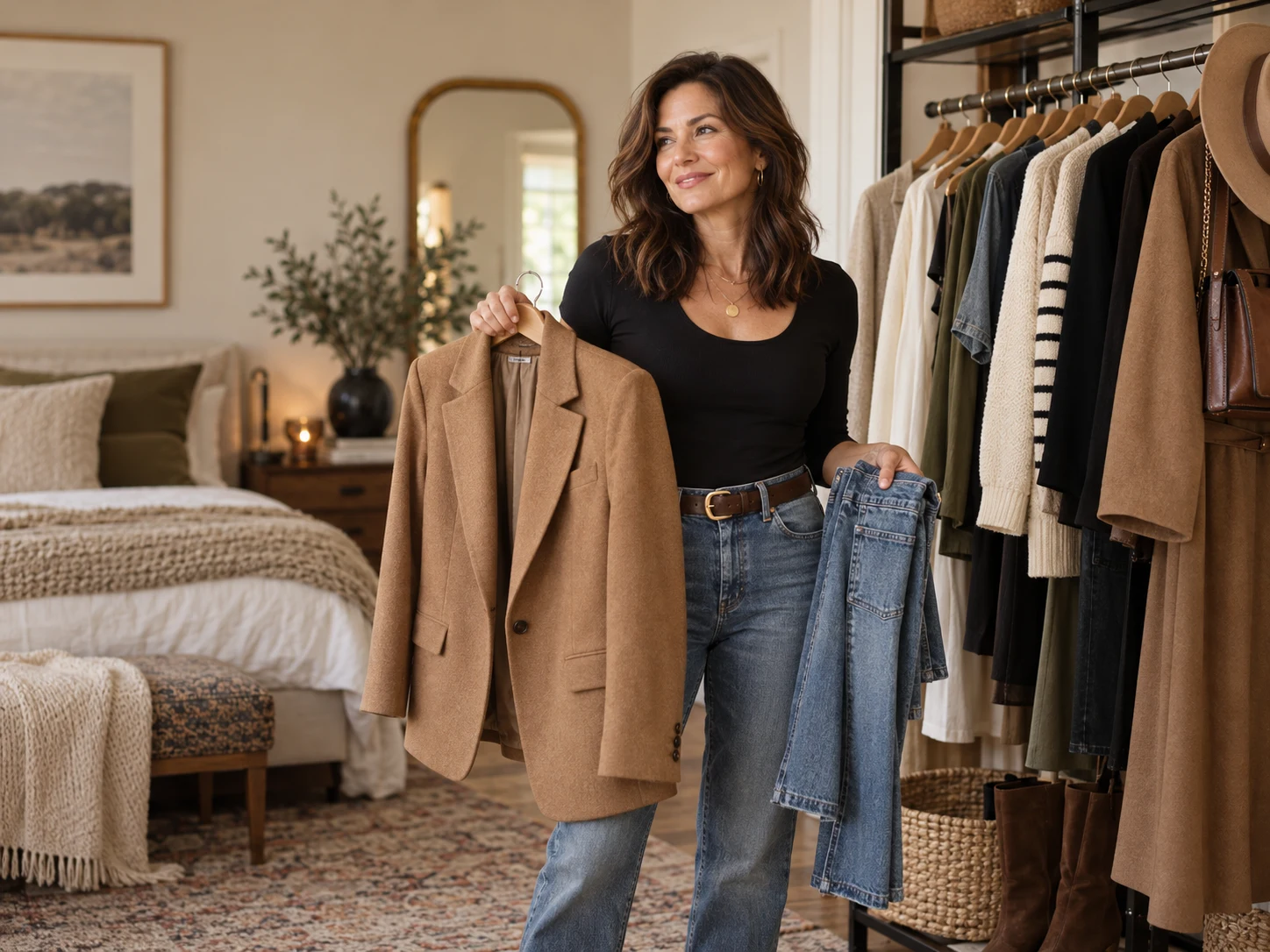
Shop More Effortless Style Favorites
Looking for more pieces to make your own? Browse my full collection of everyday style favorites and find what fits your wardrobe.
 Shop My Effortless Style Favorites